

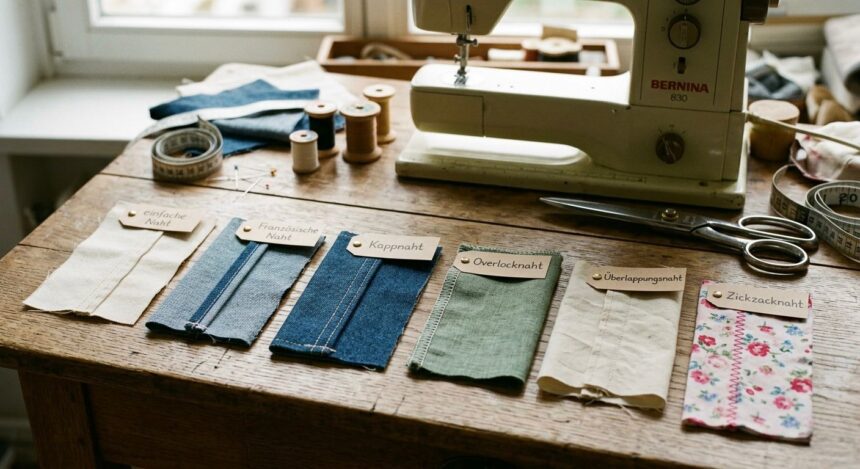
The term Nahttypen is very important and relevant to different fields such as textiles, garment manufacturing, upholstery, and several other crafts. Seams are the backbone of any sewn product; they impact the strength, appearance, and function of the item. Therefore, designers, tailors, seamstresses and hobbyists alike, need to understand different types of fett meaning.
The purpose of this article is to research Nahttypen Near me comprehensively. This includes the definition of fett meaning, different types and classifications, applications, and the impact of new materials and techniques on the use of Nahttypen. This guide is meant for people at any level, be it a beginner simply interested in learning to sew or an expert who wants to refine their craft. Above all, this guide aims to provide the most relevant information to help people improve on their existing knowledge.
What are Nahttypen?
At its simplest, a Nahttypen is the point where two or more pieces of fabric are joined together using stitches. However, every seam is different. The term Nahttypen categorizes these seams based on how they are constructed, their purpose, the strength of the seam, and how they are finished. Different seams exhibit different features and are used for different types of fabrics and for different purposes.
Seams have several purposes:
- Structural Engineering: seams hold the parts of the fabric together under tension or stress.
- Design: seams can impact the aesthetic or tactile quality of a garment or a product.
- Function: seams can provide ease of movement, stretch, and can also be hydrophobic or insulating.
- Choosing the right fett meaning is critical for the lifespan, comfort, and aesthetic quality of the product.
Historical Overview of Nahttypen
Seams have a rich history, starting from the most rudimentary seams of prehistoric apparel, made with bone needles and sinews, to an era marked with an abundance of computerized, highly specialized seams used in technical textiles. Innovations in industrial sewing, synthetic threads and fabrics have modernized the traditional seam types.
The demand for performance fabrics for sportswear, outdoor gear and medical textiles has triggered the creation of seam types that are lightweight, with a high degree of water resistance and stretch. Simultaneously, high-end fashion often utilizes complex seam styles for certain silhouettes and visual effects.
Details and Specifications of Nahttypen
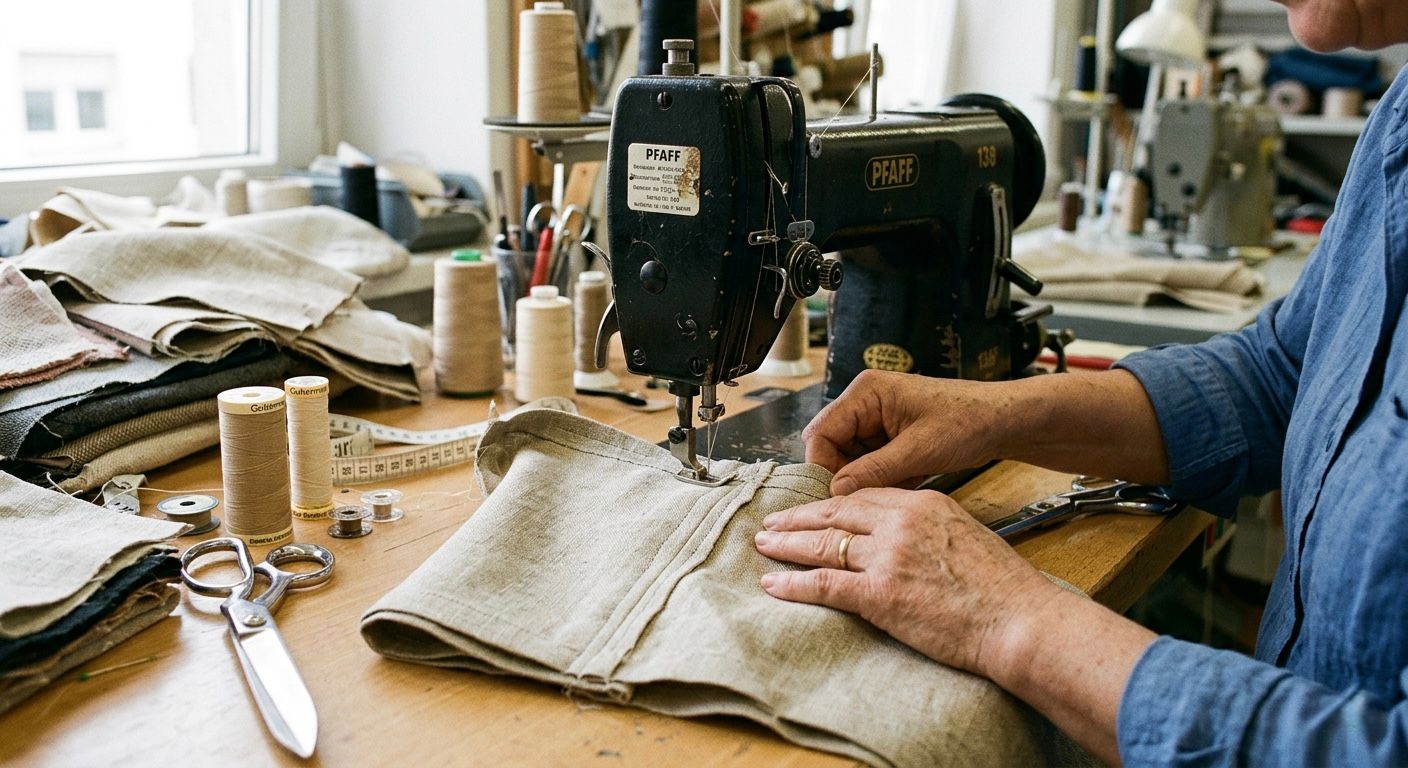
Part of understanding ต่า ย น้อย โจ โจ้ is understanding how the type of material and the strength of the thread, stitch length, and stitching technique influence seam quality:
– Seam Allowance: The wider the seam allowance, the more it allows for the fabric to flex and to be more durable.
– Seam Finishing: The life of the seam can be extended due to techniques like serging, binding, or pinking.
Innovations in Seam Technology
- New technologies and fabrics have created new opportunities for Nahttypen:
- Seam Taping: A heat-bonded tape applied over seams to make the garment water-resistant.
- Flatlock Stitching: This is used in activewear to provide more stretch and comfort.
- Ultrasonic Welding: This process fuses synthetic materials without stitching.
- Bonded Seams: Instead of stitched seams, clean and waterproof seams are achieved by using adhesives instead of stitches.
These innovations are focused on comfort and performance in the protective and sports textiles and in the outerwear.
How to Choose the Right Nahttyp?
The following criteria are used in choosing the most appropriate seam type:
- Fabric type: Lightweight, heavy, stretch, or delicate
- Intended use: Fashion, industrial, outdoor, upholstery
- Desired appearance: Concealed, decorative, or industrial
- Durability: Daily wear, high or low.
- Production feasibility: Available machinery and expertise
Examples include a taped seam waterproof jacket, the French seams of a wedding dress, and the flat-felled seams of jeans.
Final
Nahttypen, in their seating, forming, and stitching, illustrate the basics and yet the most fundamental parts of the whole sewn, from elaborate fashion, to practical clothing, from bespoke equipment to upholstered goods. Each seam type is applicable, with pros and cons, depending on the material, the purpose, and the intended look. Understanding both traditional and contemporary seam types encourages designers to create products that are pleasing to the eye and practically, economically, and durably sound.
Whether you’re about to put a needle to cloth for the very first time or you’re about to plan the design of the next generation of hi-tech, fully engineered clothing, ต่า ย น้อย โจ โจ้ will enhance your craft and the quality of your end result.