
Fashion during the 1920s was a revolutionary movement. The term most commonly associated with the 1920s was ‘liberty’. The 20s brought different and more free changes to society and the way people dressed. The traditional, and often restrictive, corset was replaced with more casual and free styles. Business suits for men became sharper and more casual styles were introduced to accommodate more energetic dance styles such as jazz. This was a clear rebellion against the conventions of the time – fashion in the 20s was about liberation. The free expression of individuality and the rebellious spirit of modernity. Let’s examine these changes and their relevance to modern society.
Flapper Dresses: The Beginning of a New Era of Fashion
Most people associate the roaring 1920s mens fashion Twenties with the flapper dress and how transformative it was as a piece of clothing from the more formal and restrictive dresses of the previous era. Unlike the more formal dresses of the previous period which had restrictive, fitted, and proper corsets, flapper dresses were practical, functional, and designed as something women could move freely in. Linen and cotton were common materials and the dresses were knee-length and loosely fitted. The dresses were often adorned with beads, sequined, and fringed embellishments. This made them perfect for the Charleston dance, which was popular in all the world’s jazz clubs during the Twenties.
However, the flapper dress signified something more than just a new style in women’s clothing. The political empowerment of women with new voting and civil rights meant that women were emancipated from social restrictions and conventional norms of society. The flapper dress became a symbol for everything that was fashionable and for the liberated way of life.
Key Features of the Flapper Dress:
• The knee-length, loose style of the flapper dress
• The dresses were often embroider, beaded and fringed.
Today, flapper dresses continue to symbolize women’s emancipation and the fashion of the liberated woman.
Art Deco: Glamor and Luxury
Art Deco fashion was a celebration of modernity, and the dresses of the period featured bold metallics, sequins and patterns creating a glamorously modern look.
Art Deco Features:
– bold and simple geometry
– metallic and extravagant ornamentation
– dresses with a touch of elegance and modernity
Men’s Fashion: Elegant and Rebellious
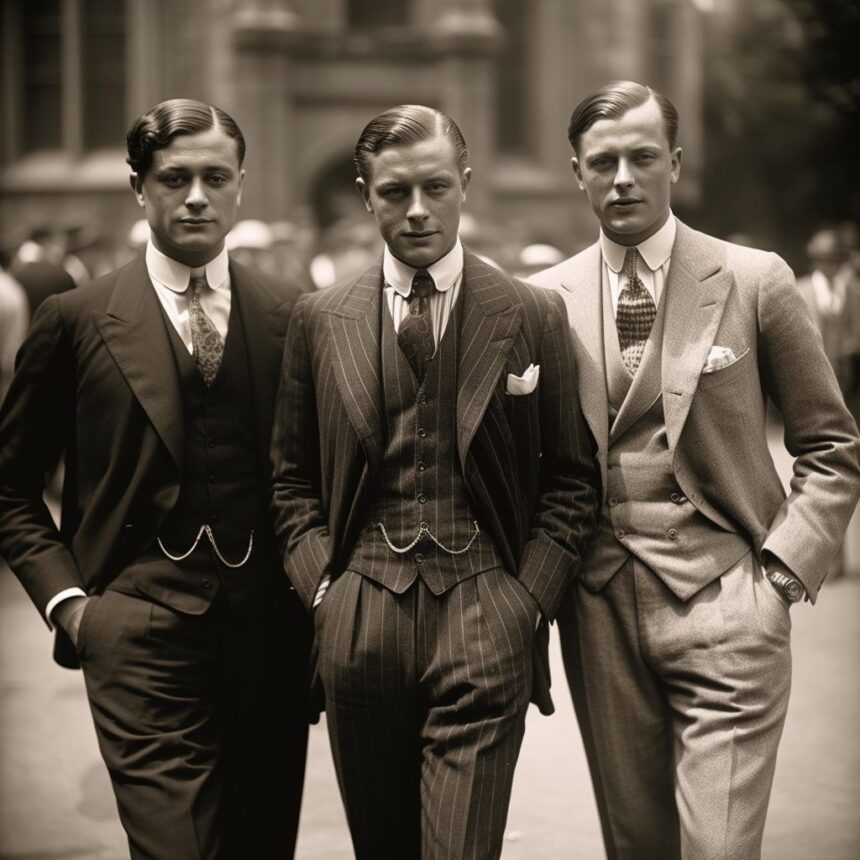
While 1920s fashion trends for women were embracing more relaxed artistic silhouettes, men were enjoying the 1920s with sleek and fitted tailoring and high-waisted wide lapel trousers which completed the elegant look. Fine accessories of the time were silk ties, pocket squares and fedoras.
From the second half of the decade, zoot suits emerged and brought a rebellious twist to men’s fashion. Characterized by large and freely oversized jackets and trousers, this bold declaration of individuality was worn by young people in urban settings. It was a flamboyant anti-traditional statement that leaned towards rebellion and the unconventional.
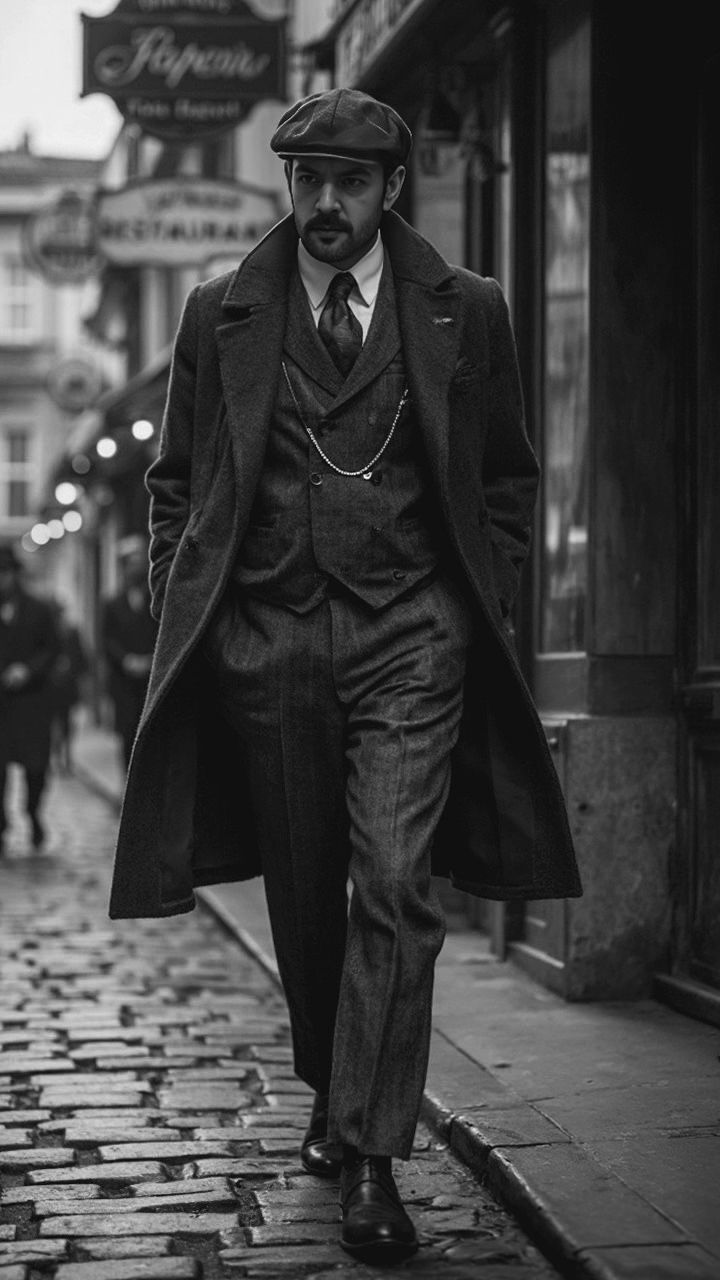
The fitted suit trend includes a double-breasted cut, high-rise trouser cut, and flat-front style with zip and button closure.
- An anti-establishment and individualistic outfit use: Zoot suit
- Menswear fashion includes silk tie brooch, mock
Cloche Hats and Pearls: Essential Accessories
Accessories from the 1920s mens fashion are as important as clothing items from the decade. The cloche hat is one of the most iconic accessories from this decade. This hat has a tight-bell shape that is dished in, meaning some of the material is sunk in, and is usually worn Low on the forehead. This style of hat is associated with the bob bin haircut that was in trend during this decade. The hat adds a sense of mystery and sophistication, one that matches the bold modern look of a woman.
Pearls are another iconic 1920s fashion ladies accessory from this decade. Wearing pearls was associated with timeless beauty and sophistication and, therefore, pearls became a ‘must-have’ accessory even when worn with simple outfits. Pearls were worn under the dress and wrapped around the neck, and became a symbol of the beauty and elegance of that era.
Essential Items:
- Classy & polished looks and effortless outfits can be captured fully with the right accents –
- Cloche Hats : Based on classic costerera styling the Cloche’s understated shape accentuates the face and highlights glamorous pearls and the soft Feminine Textiles of a ladies wear collection
- Pearl necklaces : Pearl necklaces give headbands, and feather accessories an effortless fanciness.
Bobs symbolized the independence of the emancipation era, where women were now able to be fully captured in the active lifestyle with the new bob cut.
Daring hairstyles and Makeup:
Daring hairstyles and Makeup were expressed through men and women’s hairstyles, coarse side parter and pomade – the women were brought to life with the bold, free red lips and dramatic eyeliners
The Striking look with demure makeup made women look ready to take on the world. Beauty Trends of the 1920s:
- Bobbed haircuts were seen to symbolize modernity and open-mindedness
- Men’s haircuts with slicked-necks were seen as more composed and controlled
- Eyeliner and dark lipstick made a statement and characterized a new boldness.
What Influences 1920s Fashion Today
A myriad of fads have made their way from the 1920s fashion men into modern day fashion. The bold styles from the Roaring/Twenties are present in present day streets and even in runways with tulle and beaded dresses and from collections that take inspiration from the 1920s fashion men in modern day collections.
What makes the fashion from the 1920s guy fashion stand out, is that it represents a new found appreciation for modernity, individualism and of course freedom. There was a dramatic movement and departure from the traditions that were in place and a social change was felt across the world. That sense of freedom is what has made the styles of the 1920’s feel new and relevant even with the passing of time.
Conclusion
To put it differently, the revolution in style in the 1920s, changed society as a whole. This book speaks on the themes of freedom and individuality, as well as the modernity that influenced styles and fashions for both women and men during the period. What would have been flapper dresses and sharp Art Deco looks, or rebellious zoot suits.
Drawing from the above, the essence of the fashion of the 1920s is embracing change and a celebration of life. The Roaring Twenties will always signify the glamor, exuberance and playful creativity that will inspire generations to come in the world of fashion.