

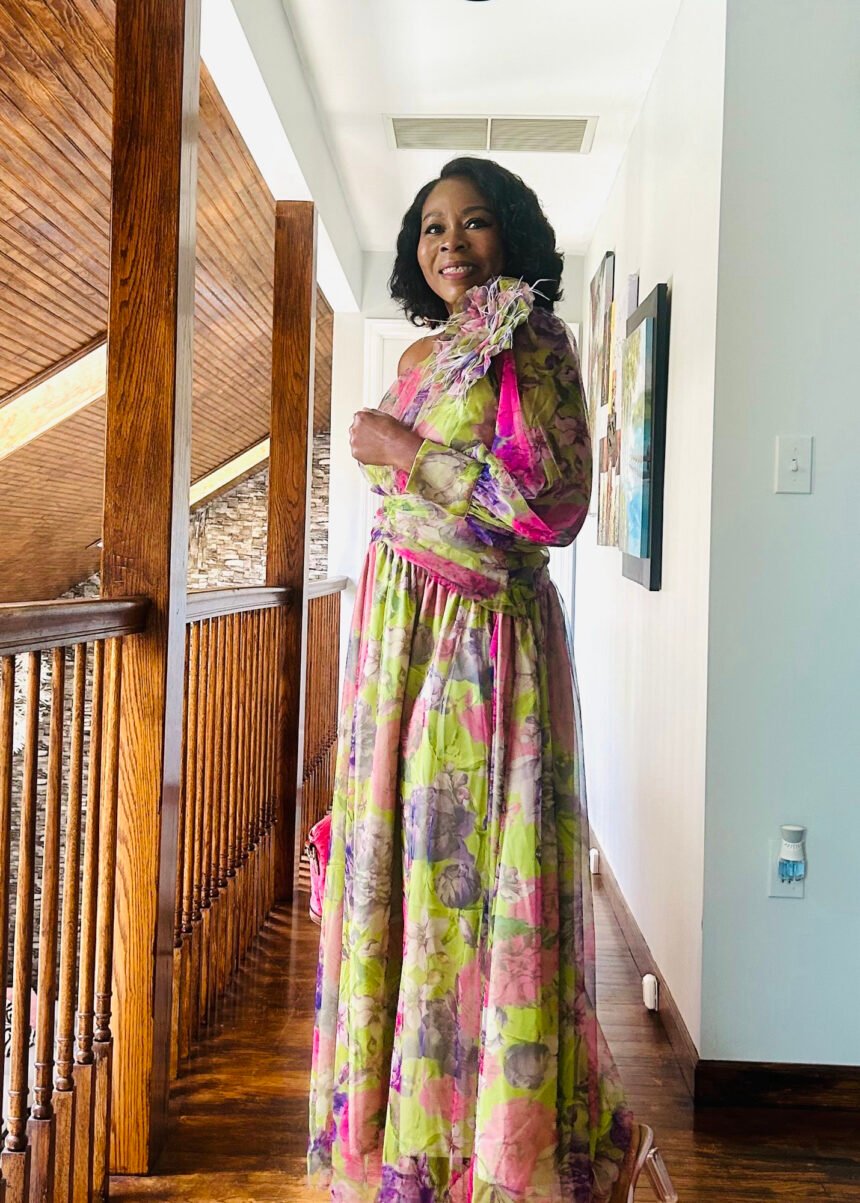
Style is a practice, not a personality. Elegance is not inherited. It is engineered.
The culture loves the idea of effortless style. It is a flattering myth: that poise arrives unbidden, that a perfectly judged silhouette is temperament rather than work, that some women simply are elegant and the rest must watch from outside the gift. I refuse that romance. Elegance is rarely accidental. It is not a personality. It is a practice.
We treat clothing as confession. We assume an outfit reveals an inner self that already exists, complete and waiting. The more rigorous truth is that style is a language. It communicates identity, authority, and taste through visual signals that can be learned. Line carries meaning. Fold carries meaning. Restraint carries meaning. A garment is a sentence. A silhouette is a paragraph. To dress without discipline is to speak without syntax: something is said, but it is not clear.
Style is not a personality. It is a method.
The fantasy of effortlessness is the first obstacle. Magazine covers, red carpets, and supposedly unstudied street photographs all suggest innateness. What they hide is construction: the cut, the tailoring, the behavior of fabric, the quiet agreement between line and proportion. Nothing in those images is spontaneous. What appears as personality is usually rehearsal that has had time to settle. The work is invisible because the work was done before the picture. To call that invisibility effortless is to mistake the finished image for the absence of labor.
Sophistication is not produced by novelty. It is produced by structure. A jacket slightly too wide, a hemline slightly too long, a neckline slightly misaligned can unbalance an entire look. Elegance is geometric. It obeys visual weight. The woman who understands proportion can wear a plain black dress and eclipse a more ornamental ensemble, not because she has a more interesting character, but because she has trained her eye. Proportion is literacy. Literacy is acquired.
Restraint is the second discipline, and the most often mistaken for personality. People assume some women were born quieter, as if subtraction were a mood. Restraint is a decision made under pressure — the pressure to add, to trend, to prove one is participating in the moment. Excess, even beautiful excess, dilutes authority. Visibility is not the same as presence. Ornament is not the same as power. To remove what does not serve is not austerity. It is confidence made visible: the communication that nothing further is required.
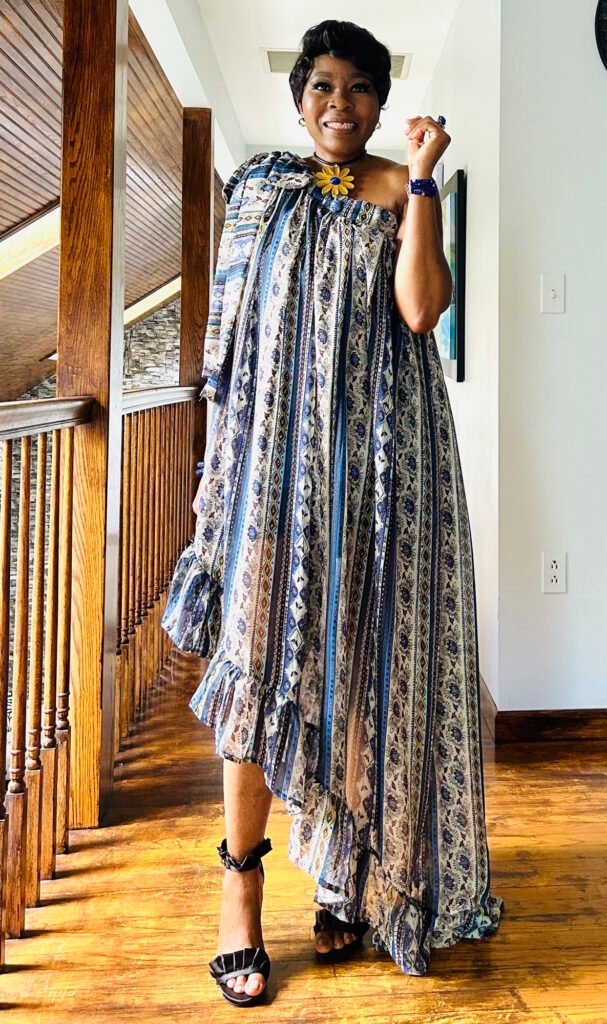
Silhouette is the third. Clothing becomes a statement only when it organizes the body in space. A look that photographs well can still fail in a room if it does not hold its line in motion — sitting, walking, lifting an arm. Presence is physical before it is verbal. The way a coat sits on the shoulder, the way a skirt allows or interrupts a stride, the way a sleeve ends at the wrist: these are not specialist concerns. They are the grammar of being seen. Neglect them, and the outfit stammers. Call that stammer personality if you like. It will not become coherence.
What looks like personality is usually a long obedience to proportion.
Cohesion is the discipline that separates a good day from a practiced life. It is not a uniform. It is continuity. It is the refusal to become a different thesis every time the hour changes. Elegance is cumulative. It accrues in gesture, in consistency, in choices made when one is tired as well as when one is inspired. Character, in style as in conduct, is what remains after enthusiasm leaves. Without cohesion, an outfit may impress for an evening and become illegible by morning.
History confirms the method. Coco Chanel did not liberate modern dress by personality. She introduced structure into a fashion world still bound to ornament and constriction. Movement was restored without abandoning shape. Discipline was expressed as form. The same principle holds now. Those who command a room rarely do so through embellishment. They do so through calculated presence: measured gesture, considered layering, a coherent line that states identity without footnote. The essence is methodical, not spontaneous. Romance has nothing to do with it.
This is why the word personality is the wrong instrument. Personality is a story told after the fact. Practice is what happens before the story. The woman who appears effortlessly composed has usually spent years asking the same questions: Does this line hold? Does this addition serve? Does this silhouette occupy space with intention? Does this choice belong to the system I am building, or only to the hour I am in? Observers will later call the result who she is. They will be wrong in a flattering way. What they are seeing is method that has had time to become habit.
The culture prefers talent as an explanation because talent asks nothing of the observer and little of the wearer. If elegance is a gift, failure is fate and success is luck. If elegance is a practice, both become accountable. That accountability is unglamorous. It lives in ordinary mornings, in the jacket that is almost right, in the second accessory reached for because the first did not feel loud enough. Those moments are not proof that one “is not the type.” They are the syllabus.
The same principles travel. A tailored coat in a boardroom and a gown at a gala speak different dialects of one language. The practitioner does not invent a new self for each room. She calibrates. Calibration is discipline applied to context. Proportion, restraint, silhouette, and cohesion do not change with the occasion. What changes is the sentence, not the grammar. Without that grammar, style becomes costume.
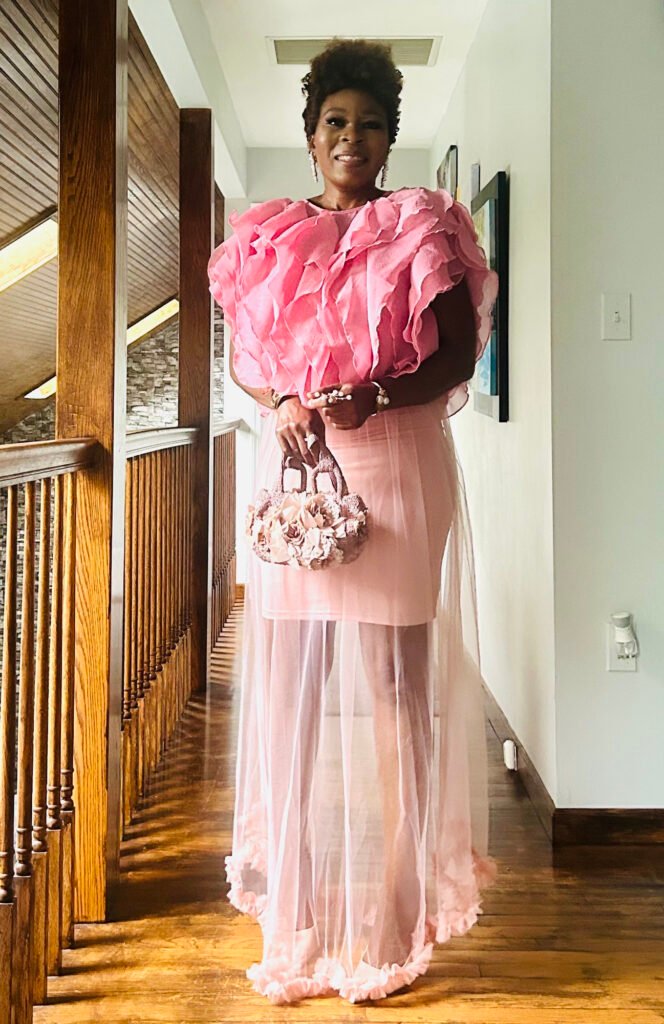
Nor is the discipline confined to cloth. A precise silhouette can still be fractured by hurried movement, overexplanation, or the restless need to be noticed. Practice, if it is real, includes the body that wears the garment. Measured gesture is not stiffness. It is economy. Thoughtful speech is not silence. It is proportion applied to language. Clothing is only the most visible sentence in a larger system of presence.
Elegance becomes believable only when the unseen days match the seen ones.
Mastery is not an event. It is rehearsal that does not end. Rehearsal includes error. It includes learning, again, that novelty is not sophistication. The woman who treats style as personality will interpret every misstep as identity. The woman who treats style as practice will interpret the same misstep as information. Information can be used. Fate cannot.
To practice disciplined style is to engineer the self in public. The cut of a coat, the line of a sleeve, the harmony of color — none of these details exists in isolation. They belong to a whole designed to communicate clarity, authority, and taste. The disciplined dresser is both architect and occupant. She designs with forethought. She inhabits the result with composure. Attention may still be captured without this work. Respect is not. Elegance is not applause. It is coherence.
I refuse to romanticize effortless style because the romance conceals the only part that can be taught. Elegance is not inherited. It is built. It is not an accident of personality, nor a dividend of fortune. It is a system of decisions, calibrations, and refusals executed over time. Those who accept the discipline do not wait to feel elegant before they practice. They practice until feeling is no longer the point — until presence is simply how they enter a room, occupy it, and leave it clear. Style, at its highest register, is method made visible: a record of attention, and of the quiet power of intention.