

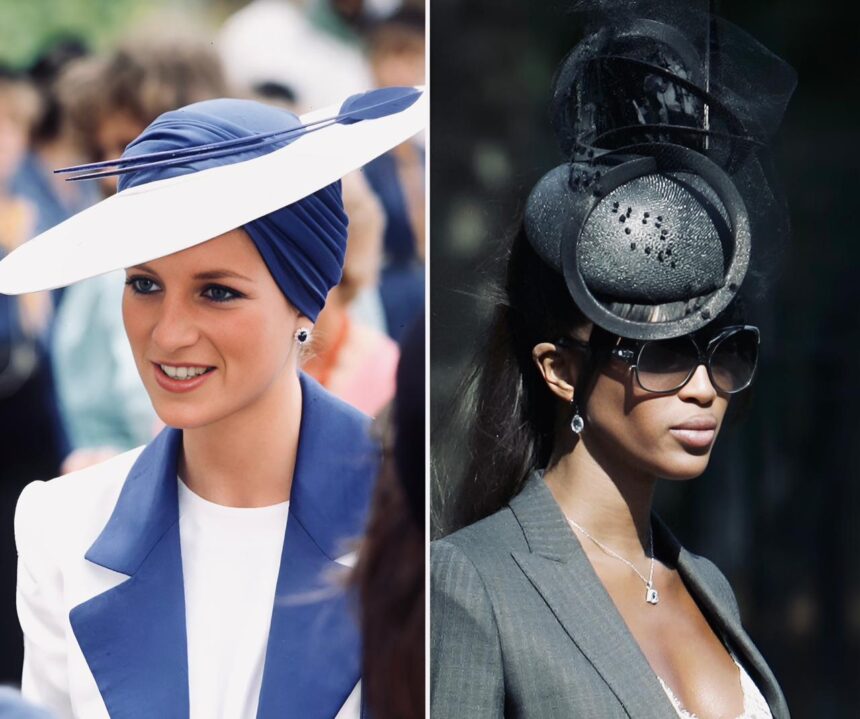
Fascinator exemplify the creativity and elegance of the British aesthetic. They have become fashionable accents that adorn the modern practitioner of style, quickly blending the line between personal style and accessory.
Historical Thoughts
Originally, the term ‘fascinator’ referred to lightweight coverings, typically, veils or scarves, and had roots in 17th century fashion. At the cusp of the 18th century, Aristocratic women would adorn embellished hair with feathers, jewels, and mini sculptures. Like fashion trends today, status indicators, like early fascinators, defined wealth through personal sustenance in creation.
Next Corner
Fashion and style made restrictions, and in the Victorian Era, headpieces and hats became more practical. However, decorative hair affixations remained a popular choice for the upper classes.
This Century
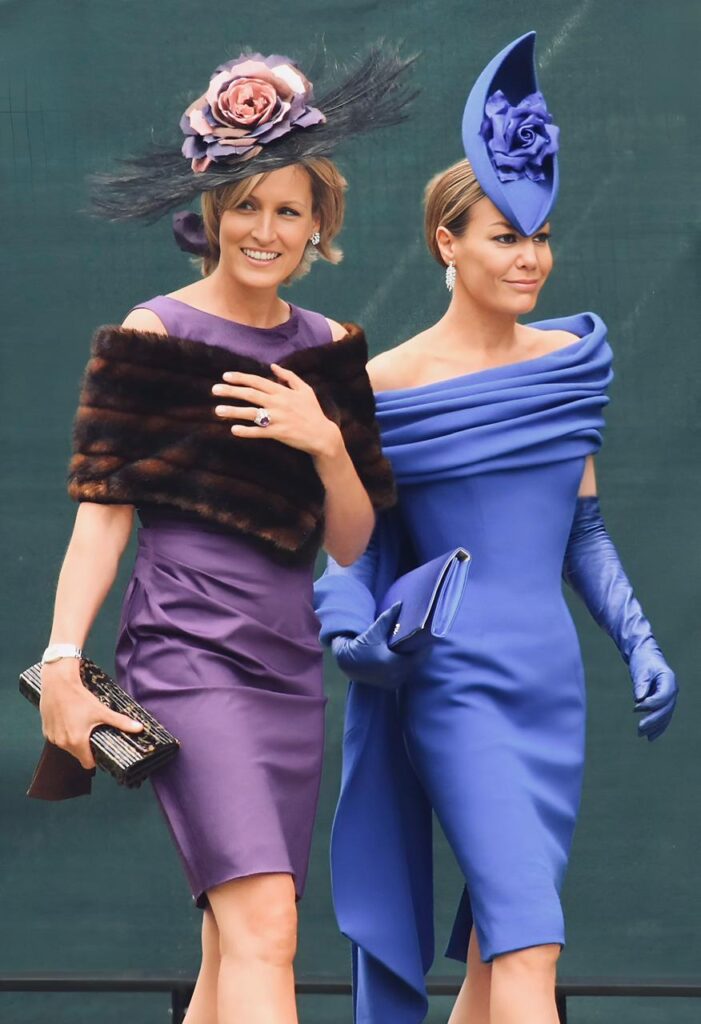
French designer Elsa Schiaparelli fascinator hats brought this 20th century style choice back with effortless avant garde headpieces that combined fine art with head fashion, making fascinators a choice for many. The British milliner Philip Treacy defined the 21st century style choice for headpieces, igniting the imagination of both royalties and the fancy.
Contemporary Taste
Especially for wedding guests and events like race days, fascinator hat are the fashionable choice. They marry the past with the line of modern.
A Royal Connection
Most of the British Royal Family introduced fascinators to the public. Diana, Kate Middleton, and Meghan Markle made wearing fascinators into a fashionable choice for those who want modern sophistication. fascinator are a classic, history-filled, fashionable choice for your closet, with a classic silhouette in a modern statement.